Mountain Compass Embroidery Review
A Thoughtful First Impression for Boutique Apparel
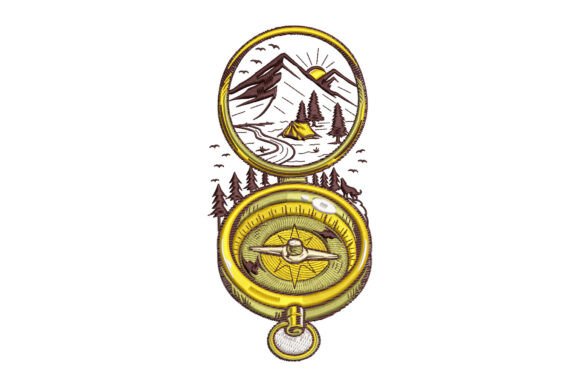
Opening the Mountain Compass embroidery file on my design software, I immediately noticed its confident visual personality—clean lines, balanced negative space, and a subtle rustic charm that leans into the Camping Fishing category without feeling literal or kitschy. It’s not overly detailed, but it’s not minimal either: there’s just enough texture in the compass rose and mountain silhouette to read beautifully at 3–4 inches wide, yet it avoids dense stitch areas that could overwhelm lightweight knits. The mood is grounded, quietly adventurous—ideal for a boutique brand that values authenticity over trend-chasing. It feels premium because it’s restrained, not flashy; intentional, not generic.
How Mountain Compass Elevates Sweatshirt & Hoodie Projects
For sweatshirt embroidery, Mountain Compass shines on neutral heather grays, oatmeals, and charcoal hoodies—especially chest-placed. Its moderate stitch density holds up well on fleece-backed fabric without puckering, provided you use a medium-weight cutaway stabilizer. I tested it on a relaxed-fit hoodie with ribbed cuffs and neckline: the design stayed crisp across gentle curves, and the outer compass ring anchors the composition so it doesn’t “float” visually. On oversized garments, it works best centered slightly higher than traditional chest placement—just below the collarbone—to maintain proportion. As a sleeve accent (on the upper bicep), it reads as intentional and understated, not like an afterthought. For back designs, consider pairing it with a simple trail-inspired phrase or keeping it solo—it has enough presence to stand alone without crowding.
Beyond Hoodies: Versatility Across Boutique Merchandise
- T-shirts: Works cleanly on 100% cotton and cotton-blend tees, especially when paired with matte thread colors (stone, deep forest green, warm taupe). Avoid ultra-thin jersey unless you add tear-away + topping.
- Denim jackets: The compass motif adds quiet character without competing with hardware or pockets. Best placed on the left chest or back yoke.
- Tote bags: Holds strong on canvas and heavy twill—great for lifestyle branding. Scales beautifully to 5–6 inches wide for maximum impact.
- Seasonal layers: Looks especially cohesive on cable-knit vests, corduroy chore coats, and flannel-lined hoodies—enhancing that cozy, intentional aesthetic small shops lean into come fall.
Design Integrity Meets Commercial Practicality
Mountain Compass strengthens brand identity not through loudness, but consistency. When used across a collection—say, matching sweatshirts, totes, and tote-tag patches—it creates visual rhythm without repetition fatigue. Buyers notice that cohesion; it builds trust. For Etsy sellers and handmade product creators, that sense of considered design translates directly to perceived value. A customer scrolling past dozens of embroidered hoodies will pause longer on one where the Mountain Compass feels like part of a story—not just decoration. And because it avoids tiny lettering or fragile details, it photographs beautifully in printable mockups and social media graphics. No retouching needed; the stitch definition carries through natural lighting and lifestyle shots.
Where to Use Mountain Compass — and Where to Pause
It performs reliably on stable fabrics: midweight cotton, fleece, twill, and denim. But approach with care on highly stretchy knits (like performance blends) or ribbed surfaces (e.g., sweater cuffs)—always test on scrap first. On dark garments, contrast matters: light ecru or soft sage thread pops elegantly, while metallic gold can feel too festive for the design’s earthy tone. Avoid placing it directly over seams or darts where tension shifts may distort stitching. And while it’s beginner-friendly, don’t skip stabilizer selection—medium cutaway remains the safest bet for commercial embroidery on apparel. Also confirm hoop size before digitizing alternate placements; Creative Fabrica’s version appears optimized for standard 4x4 or 5x7 hoops, but always verify in the product details.
Real Designer Notes Before You Stitch
- Test on scrap fabric *identical* to your production garment—fabric texture changes everything.
- Review thread color contrast: what reads softly on screen may vanish on charcoal fleece.
- Inspect stitch density visually—if you see overlapping satin columns or tight fill clusters, adjust underlay or reduce density slightly.
- Compare placement options using a printable mockup: chest, sleeve, back, or even pocket flap—each changes the design’s energy.
- Double-check Creative Fabrica product details: confirm included file formats (PES, DST, JEF, etc.), and review licensing terms before selling finished apparel commercially.
Final Thoughts for Small Shops & Creative Entrepreneurs
Mountain Compass isn’t a “filler” embroidery file—it’s a quiet signature piece. For small clothing brands building a recognizable aesthetic, it offers cohesion without rigidity. For Etsy sellers curating seasonal collections, it bridges outdoor inspiration with everyday wearability. For embroidery shops handling custom apparel orders, it’s a reliable go-to that clients describe as “meaningful but not matchy.” It doesn’t shout—but it lingers. That kind of design resonance is rare in machine embroidery design libraries, especially within the Camping Fishing niche. When executed thoughtfully—with attention to stabilizer, thread, fabric, and placement—Mountain Compass transforms a basic sweatshirt into a small shop product with intention, warmth, and quiet confidence. It’s the kind of detail that makes customers remember not just the garment, but the feeling it carried.