Snowflakes: A Designer’s Real-World Embroidery Review
First Impression: Delicate, Not Dainty — And That Matters
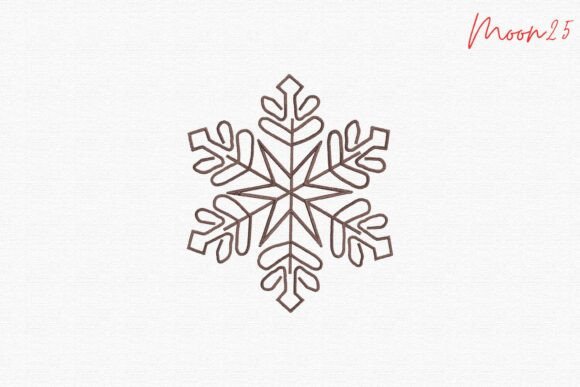
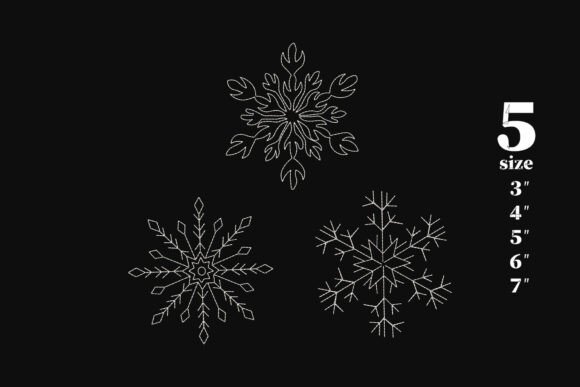
When I opened Snowflakes for the first time, I didn’t see “cute winter clipart.” I saw rhythm — six balanced arms radiating from a tight, clean center, with subtle tapering and intentional negative space between motifs. It feels hand-drawn but engineered: not overly ornate, not minimalist to the point of blandness. There’s warmth in its precision. That’s rare. Most snowflake embroidery files swing too far one way or the other — either fussy and fragile, or flat and forgettable. Snowflakes lands right in the middle: elegant enough for a boutique baby blanket, grounded enough for a rugged embroidered tote bag.
Where It Shines: Real Projects, Real Customers
Last week, I stitched Snowflakes onto a heavyweight organic cotton sweatshirt for a local Etsy seller launching a limited “Winter Hearth” collection. We placed it centered on the chest — 3.2 inches wide — and used matte black thread on heather grey fabric. The result? Instant cohesion. Customers paused mid-scroll. One left a note: “It looks like it belongs there — not stuck on.” That’s the quiet power of this design: it reads as *integrated*, not applied.
It works just as well on softer applications: a single Snowflakes motif on a linen tea towel (top corner, 2.5" width) adds seasonal charm without overwhelming utility. On baby onesies? Yes — but only when sized down to ~1.8" and paired with ultra-soft stabilizer and low-density fill stitch. It breathes well on lightweight knits, unlike many dense holiday designs that pucker or stiffen the fabric.
For craft fair vendors and small shop owners: Snowflakes is a reliable anchor design. Pair it with monogram initials for personalized gifts, layer it subtly behind a custom tagline (“Made with Snow & Care”), or use it as a repeating border on pillow covers. Its symmetry makes alignment intuitive — no guesswork when hooping multiple items for batch production.
Where to Pause — Not Avoid, But Adjust
Snowflakes isn’t magic. It won’t forgive poor stabilization on stretchy fabric — especially on curved surfaces like caps or beanies. I tested it on a structured twill cap (front panel), and while the shape held, the outer arms softened slightly where the curve pulled tension. Recommendation: reduce stitch density by 8–10% and add tear-away + cut-away hybrid stabilizer underneath. Also, avoid placing it near seams or high-flex zones unless you’ve confirmed your machine handles fine-line satin stitch consistently.
On dark fabric? It reads beautifully — but only if your thread color has enough contrast. Light grey or silver metallic thread can disappear on charcoal; go for true white or icy blue instead. And on textured fabrics like bouclé or heavy terry cloth? Test first. The delicate arm terminations may blur if the pile interferes with stitch definition. A light topping stabilizer helps — but don’t skip the scrap test.
This isn’t an applique design — it’s a fully digitized machine embroidery design relying on satin and fill stitch. That means corners and points are sharp *only* when hoop tension and fabric feed are consistent. If your embroidery file includes optional running stitch outlines (the description says “includes multi” — check your version), use them as guides for re-hooping or touch-ups, not as primary structure.
What This Means for Your Craft Business
As a designer who sells digital embroidery files and consults with Etsy sellers, I judge designs like Snowflakes by how they impact perceived value — not just aesthetics. Customers pay more for handmade products that look *considered*, not generic. This design delivers that. Its balance and spacing signal craftsmanship, even at small sizes. That builds trust — especially for personalized gifts and wedding-related items (think: snowflake-embroidered napkins or keepsake sachets).
For apparel decorators: it layers cleanly with text or other motifs. No overlapping density issues. For digital product sellers: it scales well across preview mockups — looks crisp in both light and dark background printable mockups, and holds detail even in thumbnail views. That directly affects click-through and conversion.
Practical Designer Notes Before You Stitch
- Always test on scrap fabric — same type, same stabilizer, same thread as your final project.
- Review stitch density: if your machine struggles with tight fills, reduce density before stitching on delicate items like baby embroidery.
- Confirm hoop size compatibility — Snowflakes likely fits standard 4x4 hoops at base size, but verify before batching.
- Inspect small details: zoom in on the center node and arm tips in your embroidery software. Are they cleanly connected? No stray jump stitches?
- Check thread color contrast on both light and dark fabric swatches — don’t rely on screen previews alone.
- Use proper stabilizer: medium-weight cut-away for stable wovens, lightweight tear-away + topping for knits.
- Verify licensing: since this is a commercial embroidery design, confirm whether your purchase permits finished product resale and/or redistribution of the digital embroidery file.
Final Thought: A Quiet Workhorse, Not a Flashy Gimmick
Snowflakes won’t shout. It doesn’t need to. In a market flooded with over-digitized holiday embroidery, its restraint is its strength. It supports your brand voice instead of competing with it. Whether you’re stitching a single personalized gift or producing 50 embroidered sweatshirts for a winter pop-up, it performs with consistency — and that’s what turns first-time buyers into repeat customers. It belongs in your core Winter embroidery collection, not as filler, but as foundation.